

What is a CMMS?
A Practical Guide for Construction, Earthmoving and Mining
A CMMS, or Computerised Maintenance Management System, is a software platform that helps organisations plan, track and optimise their maintenance activities. In heavy industries such as construction, earthmoving and mining, where equipment downtime directly impacts productivity and safety, a CMMS is one of the most important tools a business can implement.
Modern CMMS platforms bring all maintenance data into a central system, helping teams manage work orders, prevent breakdowns, track repairs and monitor asset performance. For companies operating excavators, loaders, crushers, haul trucks, dozers, graders and fixed plant, the ability to stay ahead of maintenance issues is essential for keeping projects on schedule and protecting valuable equipment.
This article explains what a CMMS is, how it works, why it is essential for heavy industries and how it can help improve safety, compliance and asset management in demanding operational environments.
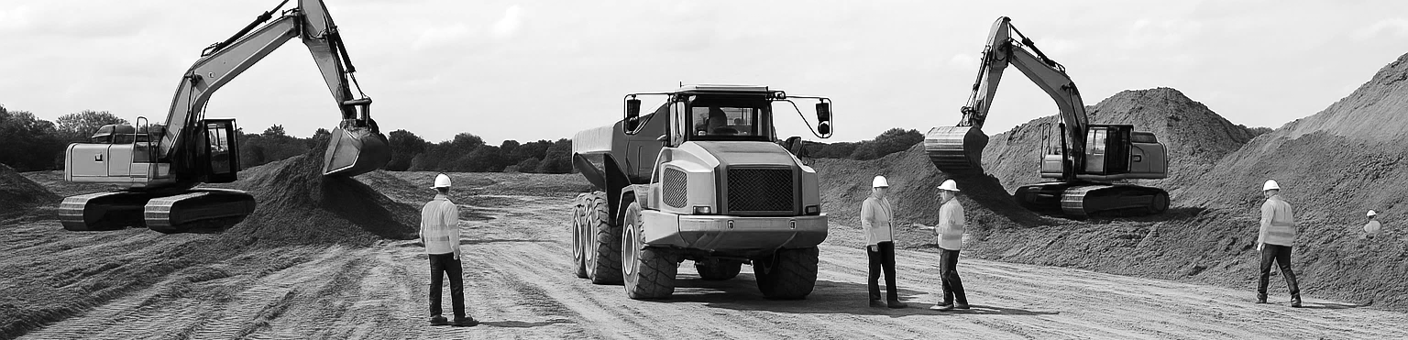
Why CMMS matters in construction, earthmoving and mining
Unlike office based sectors, heavy industries rely on physical assets that operate in harsh, high stress conditions. Earthmoving machines run continuously on rugged terrain, mining vehicles carry extreme loads and construction equipment is exposed to weather, vibration and constant movement.
Breakdowns in these environments are costly. A single failed excavator can halt an entire job site. A broken crusher can shut down a mine for hours. Unplanned downtime means contract delays, higher costs and increased safety risks.
A CMMS gives organisations the tools to manage maintenance proactively rather than reacting to failures after they occur. It improves equipment reliability, reduces risk and helps extend the life of machinery that often represents millions of dollars in capital investment.
How a CMMS works in heavy industries
A CMMS acts as a central hub for all maintenance and asset data. Cloud based systems allow teams on site, in the workshop and in head office to work from the same information in real time. In construction, earthmoving and mining, this ensures every piece of plant and equipment is accounted for and maintained correctly.
Here are the core functions that make a CMMS essential for heavy industry operations.
Asset and equipment tracking
A CMMS stores detailed profiles for every asset, including service history, hours, location, manuals, warranty details and inspection records. For fleets spread across multiple sites or remote mining locations, this visibility ensures no machine is overlooked.Work order management
Maintenance requests can be created on site using a mobile device, assigned to a technician and tracked through to completion. Photos, notes and parts used can be logged instantly, improving accuracy and accountability.Preventive and predictive maintenance
A CMMS schedules maintenance tasks based on hours, usage, distance or condition. Integrations with IoT and telematics allow teams to monitor engine performance, fluid levels, temperature, pressure and vibration to detect early warning signs. This reduces breakdowns and helps keep plant running safely.Inventory and parts management
Heavy equipment requires specialised components that can be expensive and time consuming to source. A CMMS keeps track of parts availability, reorder points and supplier details, helping prevent costly delays due to missing components.Reporting and compliance
A CMMS provides data on equipment utilisation, downtime, repair costs and technician labour. This information supports safety audits, warranty claims, insurance reports and industry regulations. For mining and major construction, where compliance requirements are strict, accurate records are critical.
Key benefits of a CMMS for construction, earthmoving and mining
The impact of a CMMS on heavy industries is significant. Below are the major benefits.
Reduced downtime on critical machinery
Predictive and preventive maintenance reduce equipment failures and prevent small issues from turning into major breakdowns. This keeps projects on schedule and reduces contractor penalties.Improved asset reliability and safety
Well maintained machinery is safer to operate. A CMMS ensures inspections and safety checks are carried out on time and recorded correctly.Lower maintenance and operational costs
By shifting from reactive to proactive maintenance, organisations avoid emergency repairs, extend equipment life and reduce the total cost of ownership.Better fleet visibility
Construction and mining companies often have assets spread across multiple sites. A CMMS provides real time visibility into where equipment is, how it is performing and when it is due for service.Streamlined workflows across teams
From operators logging faults on site to workshop technicians recording repairs, a CMMS keeps everyone aligned. Automated notifications reduce miscommunication and improve turnaround times.Simplified compliance and audit readiness
Mining, civil construction and large infrastructure projects must meet strict regulatory and safety standards. A CMMS creates a complete audit trail of all maintenance activities, inspections and repairs.Greater mobility for field teams
Technicians can access work orders, record work, upload photos and check manuals directly from their phones or tablets in the field. This is especially useful on large sites and remote locations.
Industry use cases
CMMS platforms have become essential in heavy industries for the following reasons.
Construction
Helps manage plant across multiple job sites, track fuel burn, schedule services and monitor wear in equipment such as excavators, cranes, graders, dozers and generators.Earthmoving
Tracks usage, schedules maintenance based on machine hours and ensures high value machines like loaders, dozers, scrapers and articulated trucks remain productive and safe.Mining
Supports condition monitoring for haul trucks, crushers, conveyors, drilling rigs and fixed plant. Helps identify faults early using IoT data, reducing risk and improving safety on site.
The future of CMMS in heavy industries
CMMS platforms are becoming more intelligent with AI driven insights, predictive analytics and augmented reality tools for technician support. This is especially valuable in mining and large construction projects, where equipment is expensive, downtime is costly and operational risks are high.
Cloud based systems are also making CMMS technology more accessible for small and medium sized contractors, plant hire businesses and earthmoving companies.
Final thoughts
For construction, earthmoving and mining organisations, a CMMS is more than just maintenance software. It is a strategic tool that improves safety, boosts productivity, reduces costs and maximises the value of every piece of equipment.